-
 play_arrow
Mix96
-
 play_arrow
Demo Radio Channel Top Music Radio
-
 play_arrow
The Final 2026 Primary Election Gubernatorial Forum


Night market? Hell yeah!
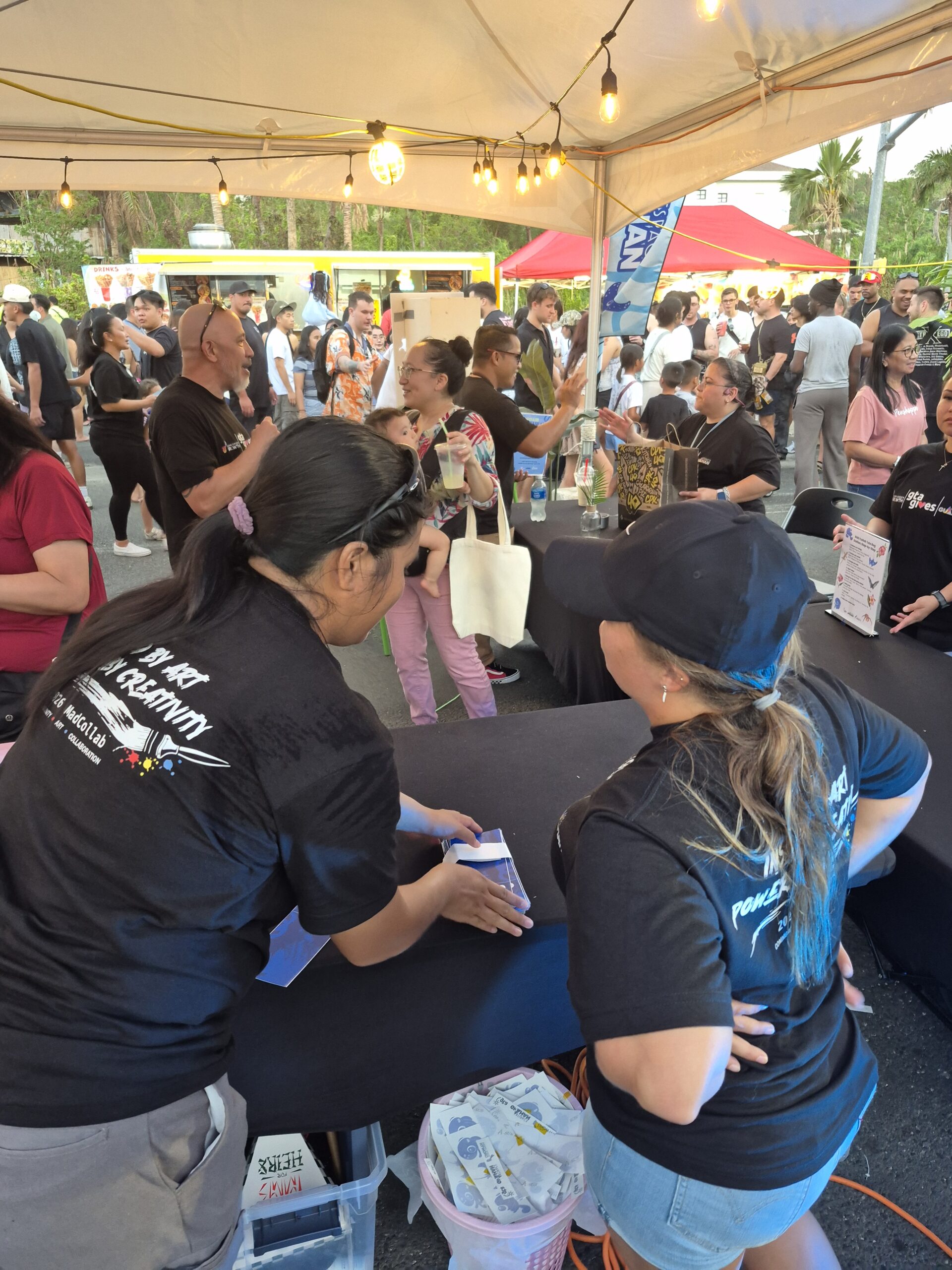
There was a time on Guam when a night out meant choosing between a hotel lounge in Tumon or a family barbecue in the village. Today, the island’s night markets have become something much bigger — a weekly rhythm that connects tourists, military families, college students, aunties selling homemade empanada, and musicians chasing one more set before midnight.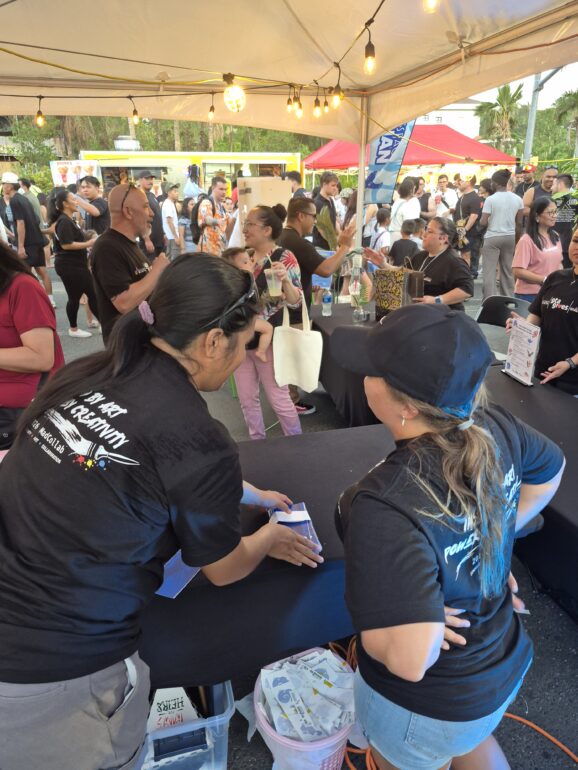
From Tumon to Hagåtña to Mangilao, Guam’s night markets have evolved into living snapshots of island culture. They are loud, humid, chaotic, flavorful, occasionally overpriced, and completely authentic. More importantly, they have become one of the few remaining places where Guam still feels unmistakably Guam.
Sunday evenings now belong to the Sunday Night market in Tumon. What started as a tourism-driven activation in Pleasure Island has gradually found its identity as a modern island street festival. Beneath the neon glow of the hotel district, visitors can move from Korean skewers to CHamoru barbecue, from local craft vendors to live island music, all within walking distance of the beach. The market runs weekly from 5 p.m. to 9 p.m. and was designed to offer what organizers call a “True Guam Experience.”
Unlike the polished resort environment surrounding it, the Tumon market feels intentionally grassroots. Families stroll with strollers while tourists clutch fresh coconut drinks and listen to local bands echo through Pale San Vitores Road. Reddit users have described it as “good vibes” with strong food and music, though some locals argue the weekly schedule competes with older village markets and stretches vendors thin.
What makes the Tumon market important is not necessarily the food trucks or artisan booths. It is the symbolism. For decades, Tumon was often criticized for feeling disconnected from the island beyond the hotels. The Sunday market narrows that gap, even if only for a few hours each week. It gives visitors a chance to encounter Guam beyond brochures and duty-free shopping.
Then there is the undisputed heavyweight of Guam’s market culture: the CHamoru Village Wednesday Night Market in Hagåtña.
For many residents, Wednesday night at CHamoru Village is practically a rite of passage. Since the late 1990s, the market has been the island’s cultural crossroads, where smoke from barbecue grills drifts through Spanish-style buildings while dance groups perform under the lights and local artisans line the walkways with handmade jewelry, woven crafts, and carved woodwork.
The atmosphere remains unmistakably local. Children run through crowded aisles with sticky fingers from cotton candy while musicians alternate between reggae, island standards, and traditional CHamoru performances. Farmers sell local produce beside food vendors serving kelaguen, lumpia, red rice, corn, and barbecue plates that have become synonymous with Wednesday nights on Guam.
Of course, CHamoru Village is not immune from criticism. Online discussions frequently mention high prices, parking headaches, humidity, and long food lines. (reddit.com) Yet even critics usually admit the same thing: you still have to go. Because beyond the complaints lies something increasingly rare — a genuine communal gathering place.
That is the magic of CHamoru Village. Nobody goes there expecting perfection. People go because it feels alive.
And then there is the quieter, more community-centered Mangilao Thursday Night Market.
While it lacks the tourism profile of Tumon or the massive crowds of Hagåtña, the Mangilao market has quietly built a loyal following among locals. Set near Santa Teresita Church along Route 10, the Thursday market feels more neighborhood-driven and less performative.
The vendors are often familiar faces. Families gather after work, students stop by after classes, and regulars know exactly which stall has the best barbecue skewers or freshest desserts. It is smaller, yes, but that intimacy is precisely the appeal. Mangilao feels less like an attraction and more like a village block party that simply kept growing.
Together, these three markets reveal something important about Guam in 2026. Despite economic pressures, changing tourism trends, and rising costs, the island still craves shared public spaces. The night markets succeed because they are not curated luxury experiences. They are imperfect reflections of island life itself — multicultural, crowded, resilient, entrepreneurial, and deeply social.
On any given week, Guam tells its story three nights at a time: Sunday in Tumon, Wednesday in Hagåtña, Thursday in Mangilao.
And if you want to understand the island, skip the resort buffet for one evening and follow the smoke from the grills instead.

Now on air