There’s a quiet, universal truth that binds people across cultures, ages, and lifestyles: no matter who you are, there’s at least one chore you absolutely dread.
It’s rarely the glamorous parts of life that unite us. It’s the mundane—the sticky, repetitive, often thankless tasks that pile up in corners and calendars. The chores we avoid, negotiate, procrastinate, and sometimes outright ignore. They’re small, yes, but they carry surprising emotional weight.
Take dishes, for instance. On the surface, it’s simple: wash, rinse, dry. But dishes have a way of multiplying when you’re not looking. A single plate becomes a stack; a stack becomes a leaning tower of guilt. There’s something uniquely defeating about plunging your hands into cold, greasy water hours after a meal you barely remember enjoying. For many, it’s not the effort—it’s the relentlessness. Dishes are never done. They reset daily, like a video game level you didn’t ask to replay.
Then there’s laundry, often described as a three-act tragedy: washing, drying, and folding. The first two steps feel automated, almost manageable. But folding? That’s where motivation collapses. Clean clothes sit in baskets for days, sometimes migrating back into use without ever seeing a drawer. Laundry isn’t just a chore—it’s a test of follow-through, and most people fail it more often than they’d like to admit.
Bathrooms, however, occupy a special tier of loathing. Scrubbing toilets, wiping down sinks, tackling soap scum—it’s intimate work in the least appealing way. There’s a psychological barrier here, a mix of discomfort and denial. People know it needs to be done, but the act itself feels invasive, like confronting a side of domestic life we’d rather not acknowledge. And yet, the satisfaction afterward—a gleaming sink, a fresh scent—can be oddly rewarding, if only briefly.
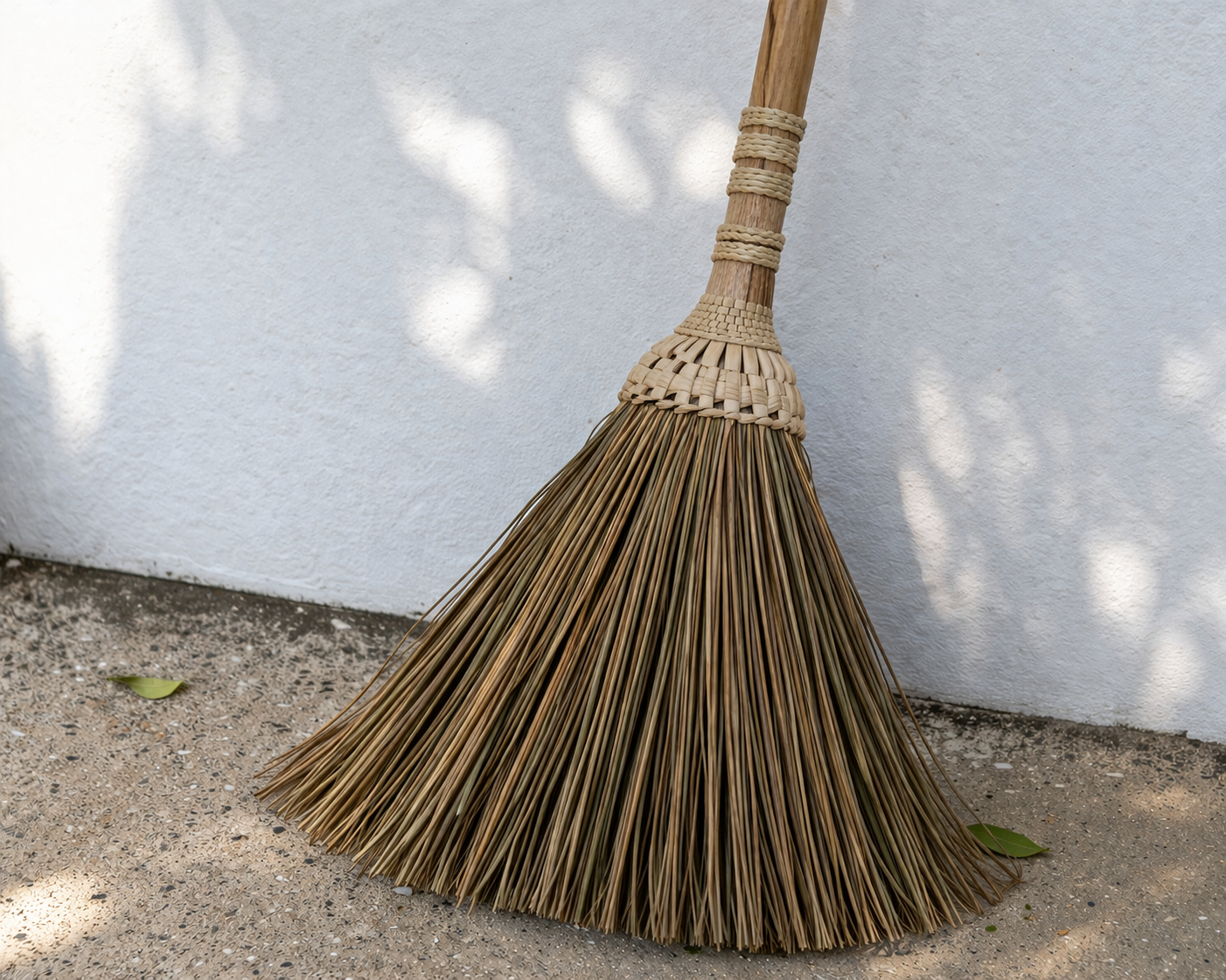
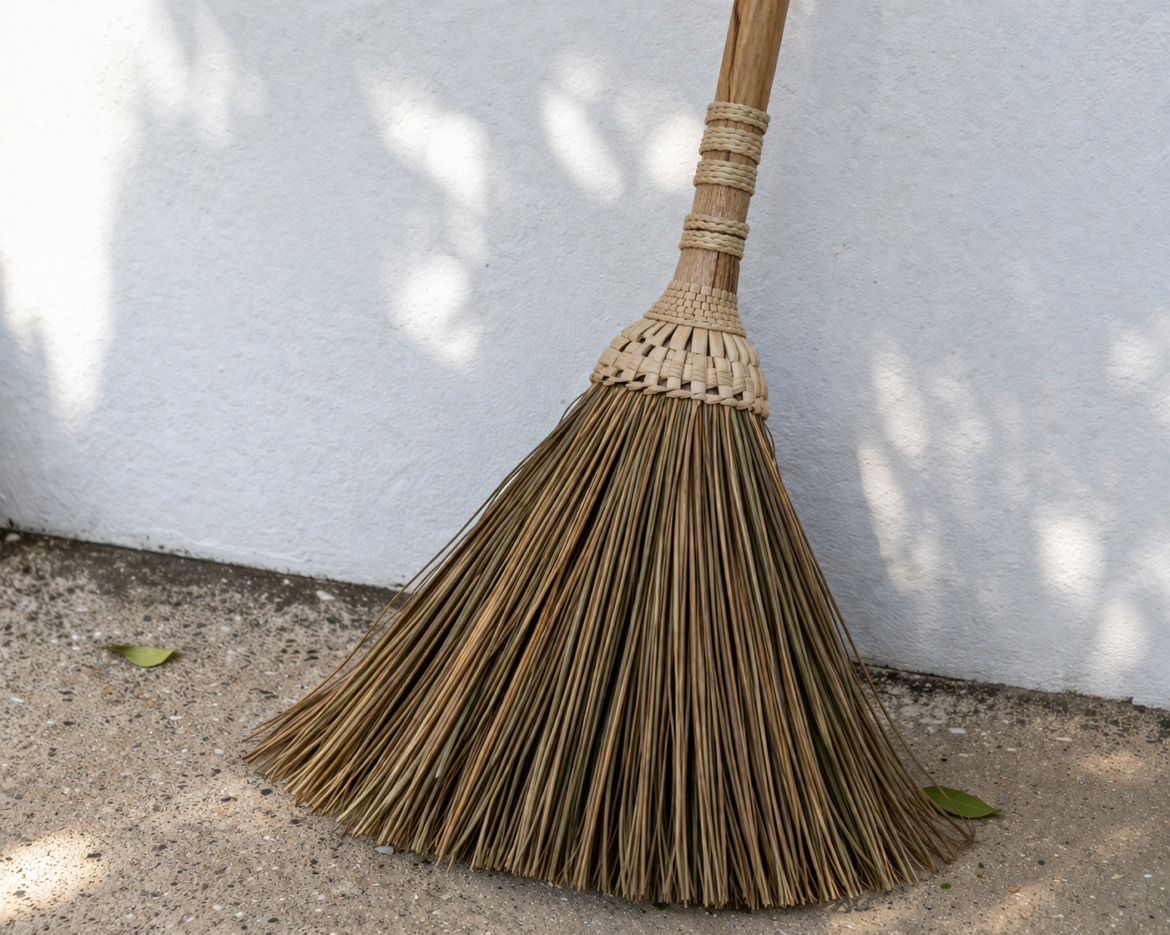
Vacuuming and sweeping might seem harmless by comparison, but they carry their own frustrations. The noise, the back-and-forth repetition, the uncanny way crumbs reappear moments after you’ve cleaned them—it can feel like battling entropy itself. Pet owners, in particular, know this struggle well. Fur becomes less of a mess and more of a lifestyle.
And then there are the “invisible chores”—the ones that don’t look like chores at all. Taking out the trash before it overflows. Wiping down counters. Organizing clutter. These tasks often go unnoticed when done and immediately obvious when neglected. They’re the background maintenance of daily life, quietly shaping the spaces we live in.
What makes certain chores so universally disliked isn’t just the physical effort. It’s the emotional context. Chores often come at the end of long days, when energy is low and motivation is thinner. They interrupt leisure, compete with rest, and rarely offer immediate gratification. Unlike work or hobbies, they don’t build toward something bigger. They simply maintain what already exists.
But there’s another side to this story—one that’s easy to overlook. Chores, for all their annoyance, are deeply tied to routine, responsibility, and even control. In a world that often feels unpredictable, there’s something grounding about completing a task, however small. A clean kitchen, a made bed, a freshly vacuumed floor—these are tangible wins.
Still, that doesn’t make them any more lovable.
Ask around, and you’ll hear strong opinions. Some people despise ironing with a passion, seeing it as outdated and unnecessary. Others avoid cleaning out the fridge, unwilling to confront expired mysteries lurking in the back. Many would gladly trade any chore if it meant never scrubbing a bathroom again.
In the end, the chores we hate say a lot about us—our habits, our tolerances, even our personalities. But more than anything, they remind us that life isn’t just made up of big moments and exciting milestones. It’s built on the small, repetitive tasks that keep everything running.
And whether we like it or not, those tasks aren’t going anywhere.
So the next time you’re staring down a sink full of dishes or a basket of unfolded laundry, take comfort in this: you’re not alone. Somewhere, someone else is avoiding the exact same chore—probably right now.
 play_arrow
 play_arrow
 play_arrow